
How to Prevent Frozen Pipes (and Thaw Them Safely)
Quick answer
To prevent frozen pipes, insulate exposed pipes, drain and shut off outdoor faucets, open cabinet doors under sinks, let faucets drip during extreme cold, and keep the heat no lower than 55°F, even when you're away. If a pipe freezes, keep the faucet open and warm it with a hair dryer or heating pad, never an open flame.
Key takeaways
- Keep the thermostat steady day and night; never below 55°F when away.
- Insulate pipes in garages, crawl spaces, attics and under sinks.
- Drip cold water from faucets on exposed pipes during deep freezes.
- Thaw with gentle heat only; call a plumber if you can't find the freeze.
8 ways to keep pipes from freezing
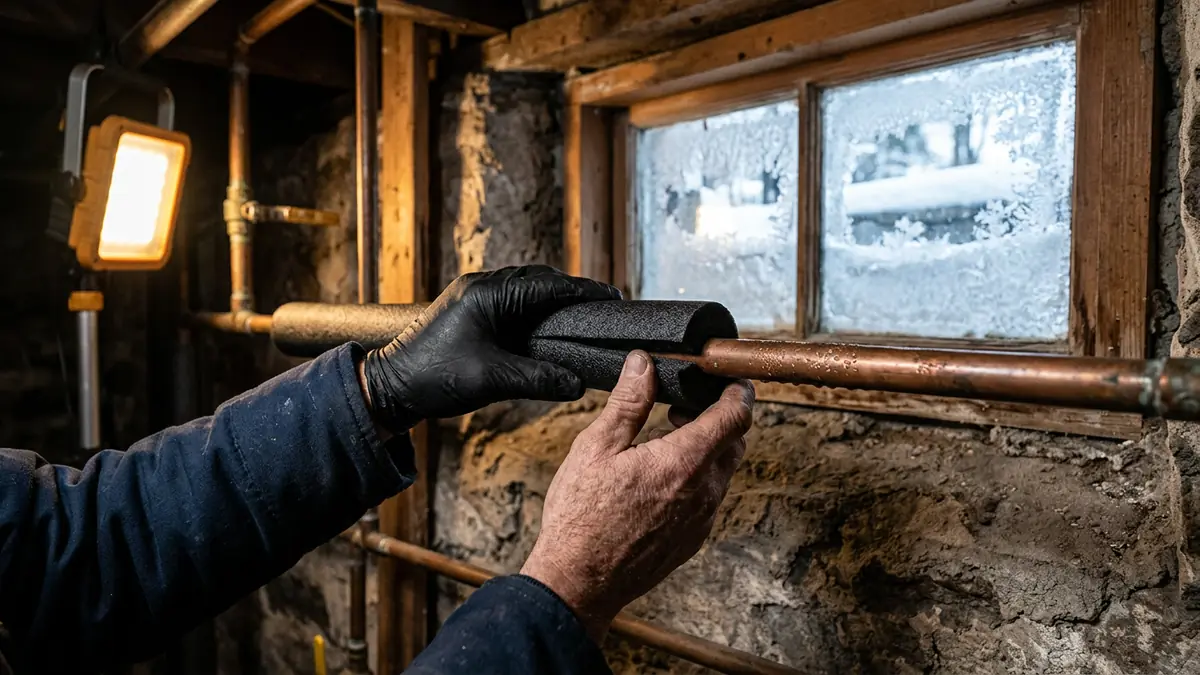
- Insulate exposed pipes in attics, basements, crawl spaces, garages and under kitchen and bathroom cabinets.
- Use pipe sleeves or UL-listed heat tape on pipes that are hardest to protect.
- Drain outdoor hoses, close the indoor valves that feed outdoor faucets, and leave the outdoor faucets open.
- Drain sprinkler and pool supply lines following the manufacturer's directions.
- Keep garage doors closed if water lines run through the garage.
- Open cabinet doors under sinks so warm air reaches the plumbing.
- Let cold water drip from faucets served by exposed pipes during very cold weather.
- Keep the thermostat steady day and night. If you travel, keep heat no lower than 55°F.
Signs a pipe is frozen
The Red Cross says to suspect a frozen pipe when only a trickle of water comes out of a faucet. Pipes along exterior walls and where the water line enters through the foundation are the most likely spots.
How to thaw a frozen pipe safely
- Keep the faucet open so water can flow as the ice melts.
- Apply gentle heat: an electric heating pad, a hair dryer, a space heater kept away from anything flammable, or towels soaked in hot water.
- Keep heating until full water pressure returns.
- Check other faucets in the house for more frozen sections.
When to call a plumber
Call a licensed plumber if you can't find or reach the frozen section, can't thaw it, or see water spraying or pooling, which can mean the pipe has burst. Shut off your main water valve first.
On Blixxy, mark the job urgent so nearby plumbers see it right away, and set the price you're willing to pay. See our plumber cost guide for typical rates.
Frequently asked questions
What temperature should I keep my house to prevent frozen pipes?
The Red Cross recommends keeping the thermostat at the same temperature day and night, and no lower than 55°F if you're away during cold weather.
Should I drip my faucets when it's freezing?
Yes. During very cold weather, let cold water drip from faucets served by exposed pipes. Moving water is less likely to freeze.
How do I thaw a frozen pipe?
Keep the faucet open and apply gentle heat with a hair dryer, heating pad, space heater or hot towels until full pressure returns. Never use an open flame.
How do I know if a pipe is frozen?
If only a trickle of water comes from a faucet in cold weather, a pipe is likely frozen, often one along an exterior wall or where the water line enters the house.
Sources
- Frozen pipes — American Red Cross
- Fix a Leak Week — U.S. Environmental Protection Agency (WaterSense)
Prices are typical U.S. ranges for planning and vary by location and job. The Blixxy editorial team writes practical guides on home repair costs, hiring local pros, and home maintenance, using public data from government and industry sources.